At What Age Should a Child Start Rhythmic Gymnastics?
When to start rhythmic gymnastics is a common question for parents who want the best beginning for their child. Starting a new activity for your child can raise many questions, especially when it comes to choosing the right age. In rhythmic gymnastics, there is no single “perfect” starting point. Every child develops at their own pace, both physically and emotionally.
What matters most is not starting early, but starting at the right moment for your child. With the right environment and support, rhythmic gymnastics can be a beautiful and positive experience from the very beginning.
When to Start Rhythmic Gymnastics: The Ideal Age
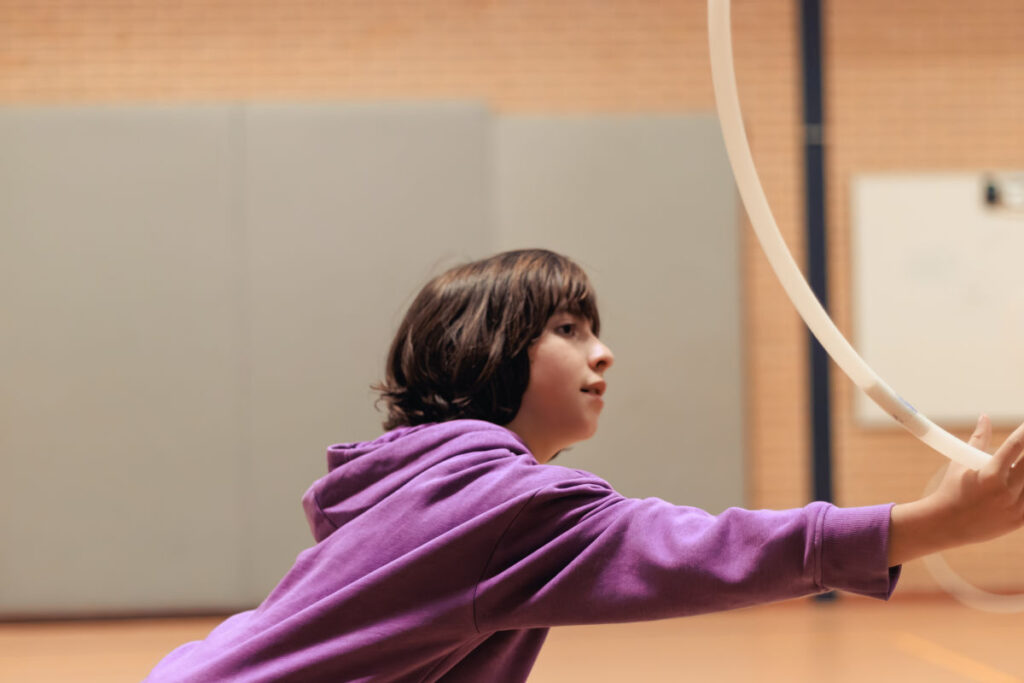
Many children begin rhythmic gymnastics between the ages of 4 and 6. At this stage, they are naturally active, curious, and open to learning new movements. Training at this age focuses on basic skills such as coordination, balance, and simple flexibility exercises.
However, starting later does not mean a child is behind. Older beginners can still progress very well, especially when they are motivated and enjoy the sport. What truly matters is the child’s interest and willingness to participate.
When to Start Rhythmic Gymnastics: Signs Your Child Is Ready
Many parents ask when to start rhythmic gymnastics to ensure their child develops skills at the right pace. Instead of focusing only on age, it is important to look at your child’s readiness. A child who enjoys movement, listens to simple instructions, and feels comfortable in a group setting is usually ready to start.
Confidence also plays a role. Some children need more time to feel comfortable away from their parents, while others adapt quickly. A supportive and positive training environment helps every child settle in at their own pace.
When to Start Rhythmic Gymnastics: What Children Learn in the Beginning
In the early stages, rhythmic gymnastics is not about complex routines or competition. Children learn how to move their bodies, improve posture, and develop basic coordination.
They are introduced to the apparatus in a simple and playful way, allowing them to explore movement while building confidence. This foundation is very important, as it prepares them for more advanced skills in the future.
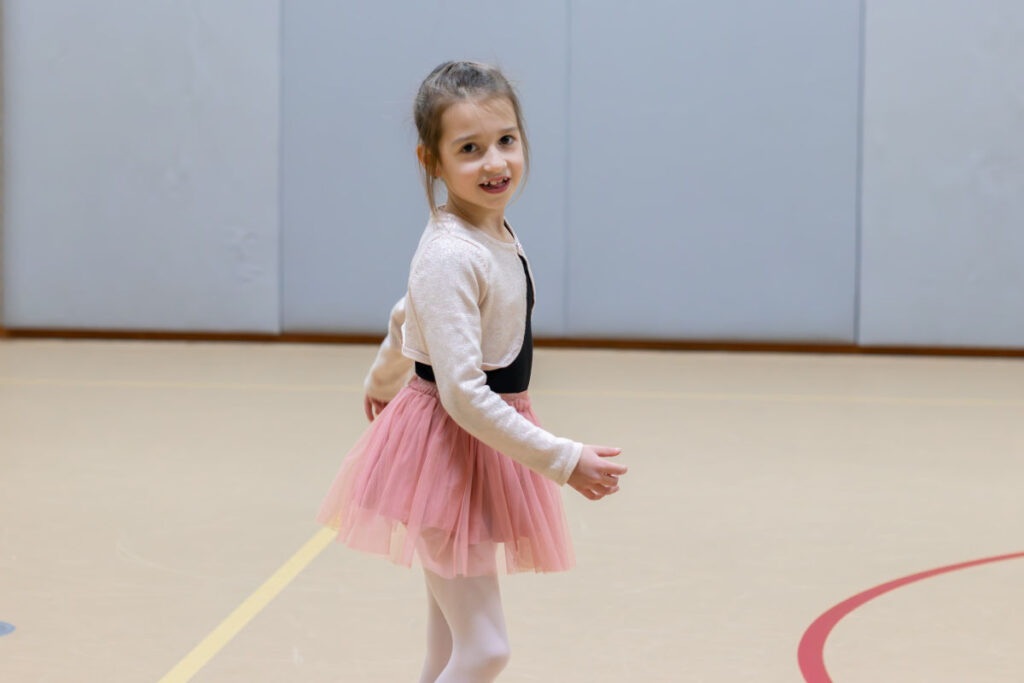
When to Start Rhythmic Gymnastics: Finding the Right Balance
Rhythmic gymnastics requires effort and dedication, but children should still have time for school, rest, and other activities. A balanced routine helps prevent fatigue and keeps the experience enjoyable.
When training is combined with enough rest and free time, children stay more focused and motivated during practice.
Working Together: Parents and Coaches
A strong connection between parents and coaches plays an important role in a child’s journey. Coaches guide the training process, while parents provide support and encouragement at home.
Open and respectful communication helps everyone understand the child’s needs, progress, and feelings. When parents and coaches work together, the child feels supported from all sides, which builds confidence and makes the experience more positive.
You can also explore our training approach about us