Category: Getting Started with Rhythmic Gymnastics

  • At What Age Should a Child Start Rhythmic Gymnastics?

    At What Age Should a Child Start Rhythmic Gymnastics?

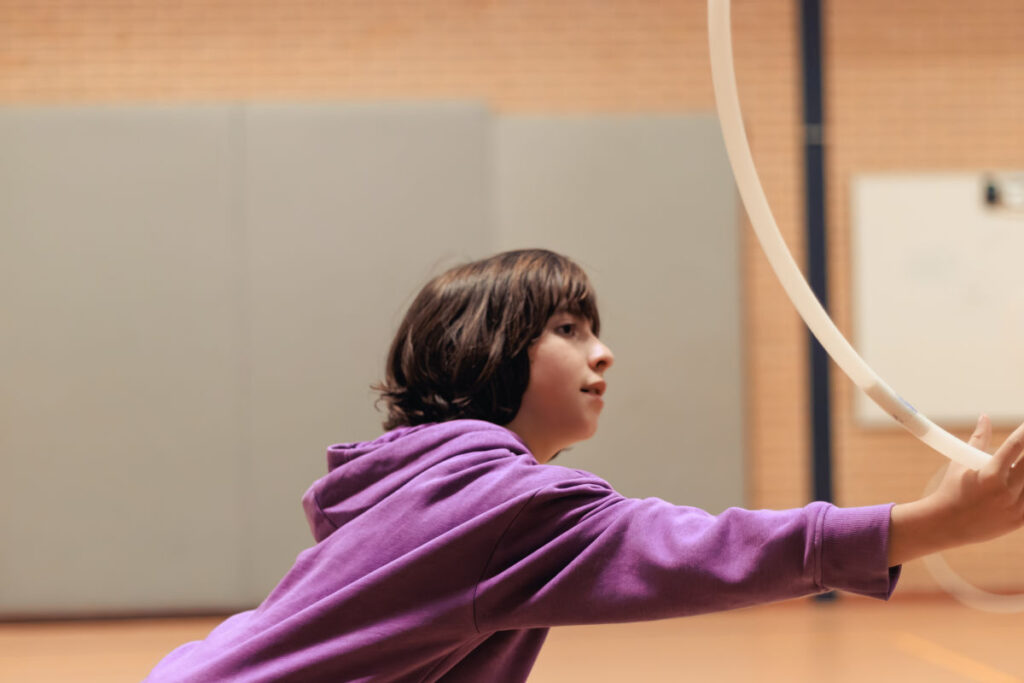
    When to start rhythmic gymnastics is a common question for parents who want the best beginning for their child. Starting a new activity for your child can raise many questions, especially when it comes to choosing the right age. In rhythmic gymnastics, there is no single “perfect” starting point. Every child develops at their own pace, both physically and emotionally.

    What matters most is not starting early, but starting at the right moment for your child. With the right environment and support, rhythmic gymnastics can be a beautiful and positive experience from the very beginning.

    when to start rhythmic gymnastics

    Many children begin rhythmic gymnastics between the ages of 4 and 6. At this stage, they are naturally active, curious, and open to learning new movements. Training at this age focuses on basic skills such as coordination, balance, and simple flexibility exercises.

    However, starting later does not mean a child is behind. Older beginners can still progress very well, especially when they are motivated and enjoy the sport. What truly matters is the child’s interest and willingness to participate.

    Many parents ask when to start rhythmic gymnastics to ensure their child develops skills at the right pace. Instead of focusing only on age, it is important to look at your child’s readiness. A child who enjoys movement, listens to simple instructions, and feels comfortable in a group setting is usually ready to start.

    Confidence also plays a role. Some children need more time to feel comfortable away from their parents, while others adapt quickly. A supportive and positive training environment helps every child settle in at their own pace.


    In the early stages, rhythmic gymnastics is not about complex routines or competition. Children learn how to move their bodies, improve posture, and develop basic coordination.

    They are introduced to the apparatus in a simple and playful way, allowing them to explore movement while building confidence. This foundation is very important, as it prepares them for more advanced skills in the future.
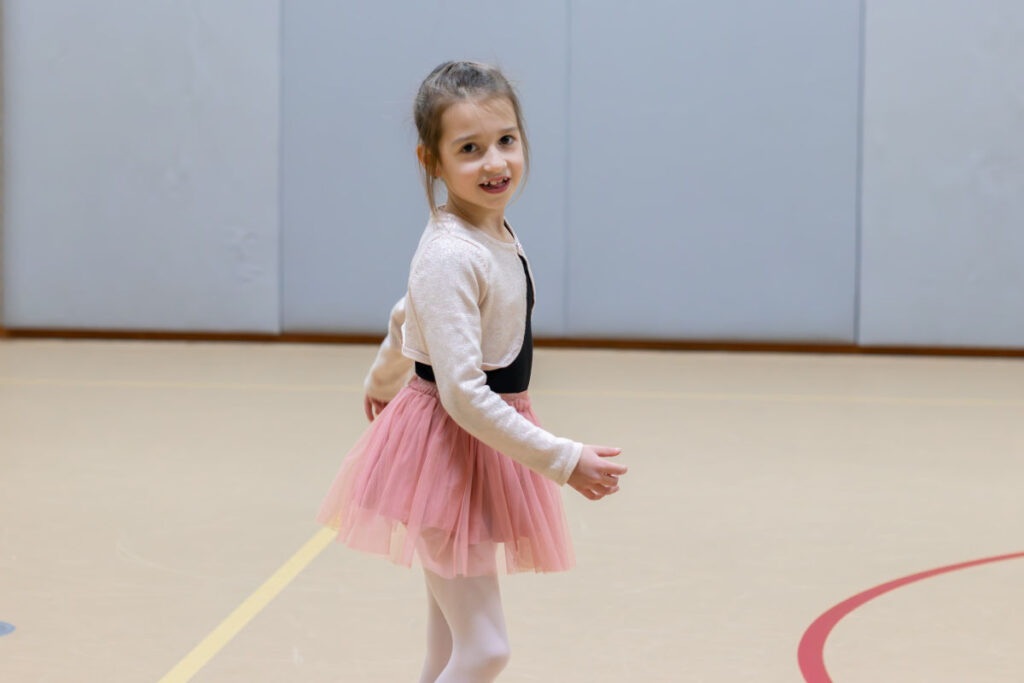
    when to start rhythmic gymnastics

    Rhythmic gymnastics requires effort and dedication, but children should still have time for school, rest, and other activities. A balanced routine helps prevent fatigue and keeps the experience enjoyable.

    When training is combined with enough rest and free time, children stay more focused and motivated during practice.

    A strong connection between parents and coaches plays an important role in a child’s journey. Coaches guide the training process, while parents provide support and encouragement at home.

    Open and respectful communication helps everyone understand the child’s needs, progress, and feelings. When parents and coaches work together, the child feels supported from all sides, which builds confidence and makes the experience more positive.

    You can also explore our training approach about us
  • Starting Rhythmic Gymnastics for Kids | What Parents Should Know

    Progress in Rhythmic Gymnastics for Kids Happens Step by Step

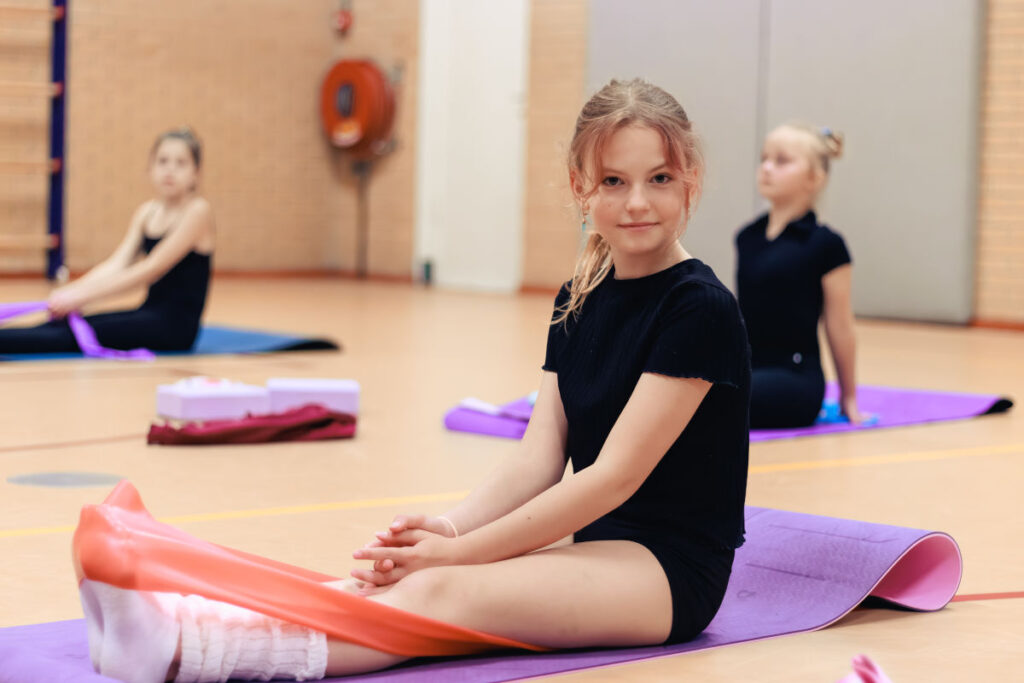
    rhythmic gymnastics for kids training
    rhythmic gymnastics for kids training

    Starting rhythmic gymnastics for kids can feel exciting but also unfamiliar for both children and parents. Rhythmic gymnastics is a sport that combines movement, music, and creativity, and it often looks very different from more traditional sports. Before beginning, it helps to understand what the journey may look like and how to best support your child along the way.

    With the right expectations and a positive approach, this experience can become both enjoyable and meaningful for young gymnasts.

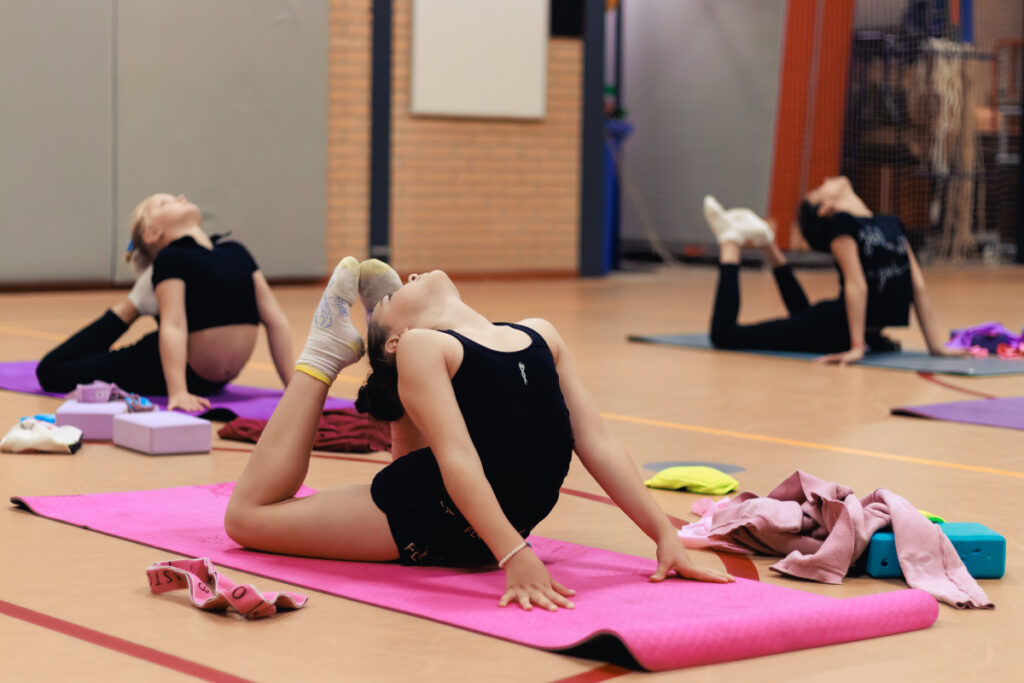
    Improvement in rhythmic gymnastics does not happen overnight. Many elements require flexibility, control, and coordination, which develop gradually through regular practice. It is completely normal for children to take time to feel comfortable with new movements.

    Rather than focusing on quick results, it is more helpful to notice small improvements along the way. Recognizing effort instead of perfection allows children to stay motivated and feel proud of their progress.

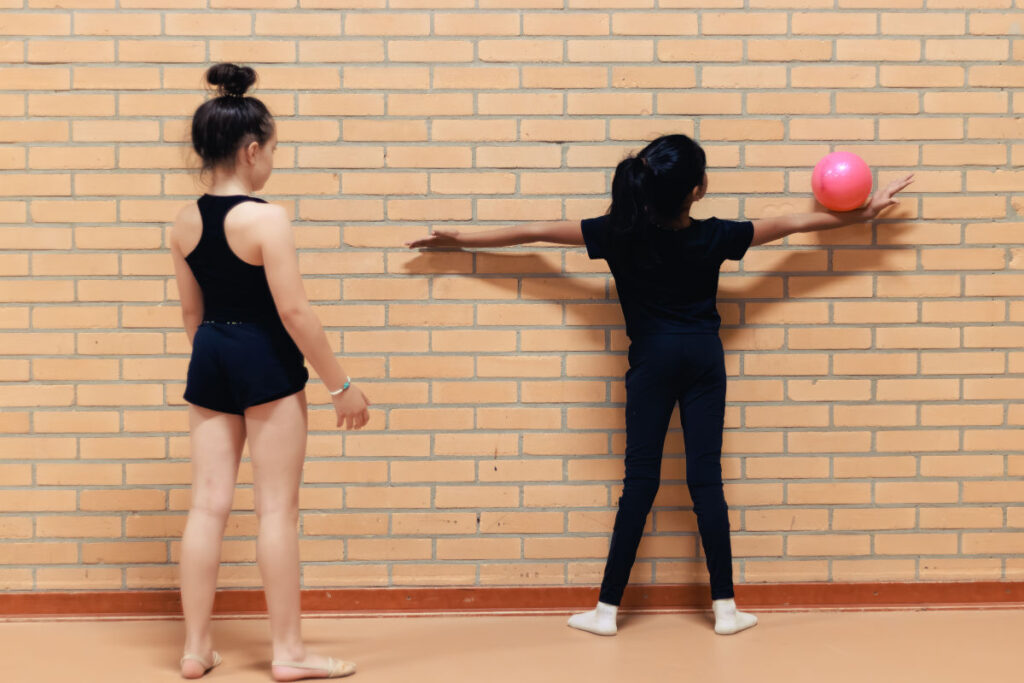
    young girls practicing rhythmic gymnastics

    Attending training sessions consistently plays a big role in development. Children who show up regularly and stay engaged tend to feel more secure in what they are learning. Over time, repetition helps movements become more natural and controlled.

    Confidence grows when children feel familiar with their skills. This sense of comfort allows them to perform with more ease and enjoyment.

    The way parents support their child can strongly influence how they experience the sport. Encouragement, patience, and understanding help create a positive atmosphere. Children benefit most when they feel supported, rather than pressured to achieve results.

    Simple actions such as listening, celebrating small successes, and staying positive during challenges can make a meaningful difference in how a child feels during training.

    It is important to maintain a balance between training, school, rest, and free time. While rhythmic gymnastics requires effort and dedication, children should also have time to relax and enjoy other activities.

    A balanced routine helps prevent tiredness and keeps the experience enjoyable. When children feel comfortable and not overwhelmed, they are more likely to stay motivated.

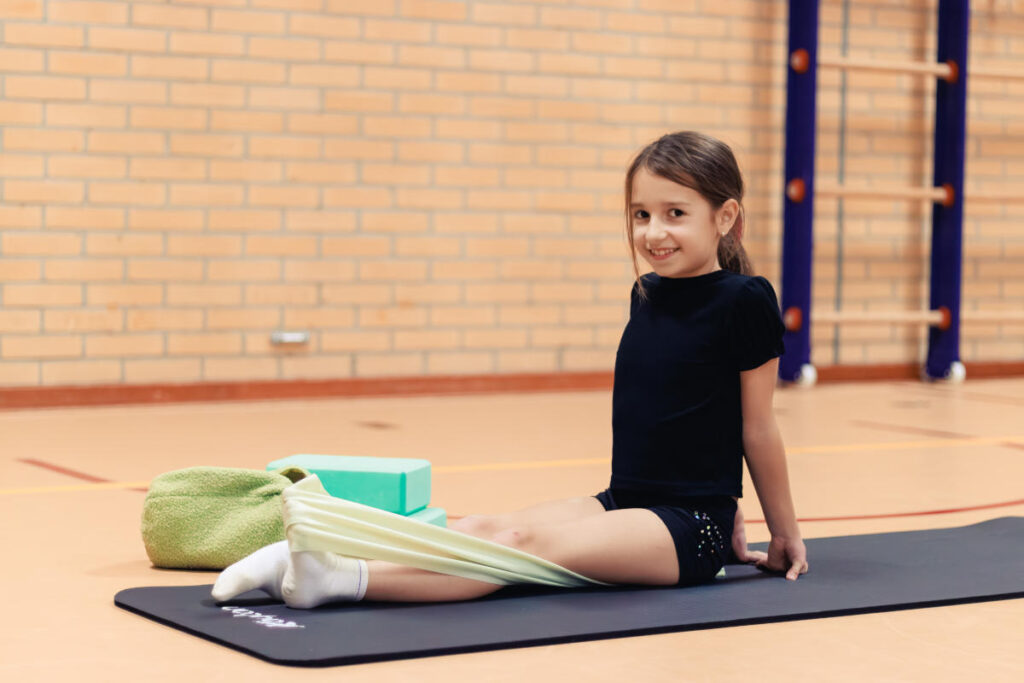
    beginner rhythmic gymnastics class for children

    A strong and open relationship between parents and coaches plays an important role in a child’s development in rhythmic gymnastics. Coaches see how the child performs during training, while parents see how the child feels and behaves outside the gym. When both sides share their observations, it creates a better understanding of the child’s needs and progress.

    Coaches can guide parents on what the child is working on, what to expect in the next stages, and how to support training at home in a simple and safe way. This helps avoid confusion and ensures that the child receives consistent support both during and outside of training.

    Clear and respectful communication also builds trust. When parents and coaches communicate openly, it creates a positive environment where the child feels supported from all sides. This teamwork helps the child feel more confident, motivated, and comfortable in their development.

    You can learn more about our training approach on our About page.

    If your daughter is interested in watching rhythmic gymnastics or getting her own apparatus, you can find more information through this link. Patorelli Equipments

    After training, it’s always nice to relax and enjoy something tasty. You can check out Dough & Co for great food options.