Author: Polina Fouda

  • Young Gymnasts Training: Powerful Tips to Improve Faster

    Young Gymnasts Training: Powerful Tips to Improve Faster

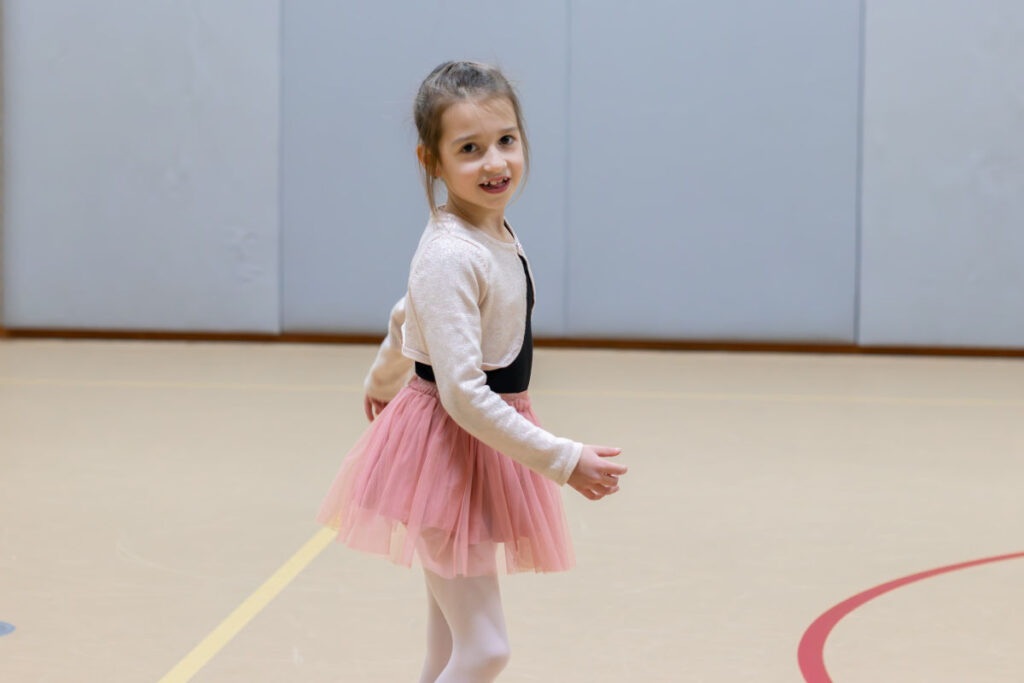
    young gymnasts training

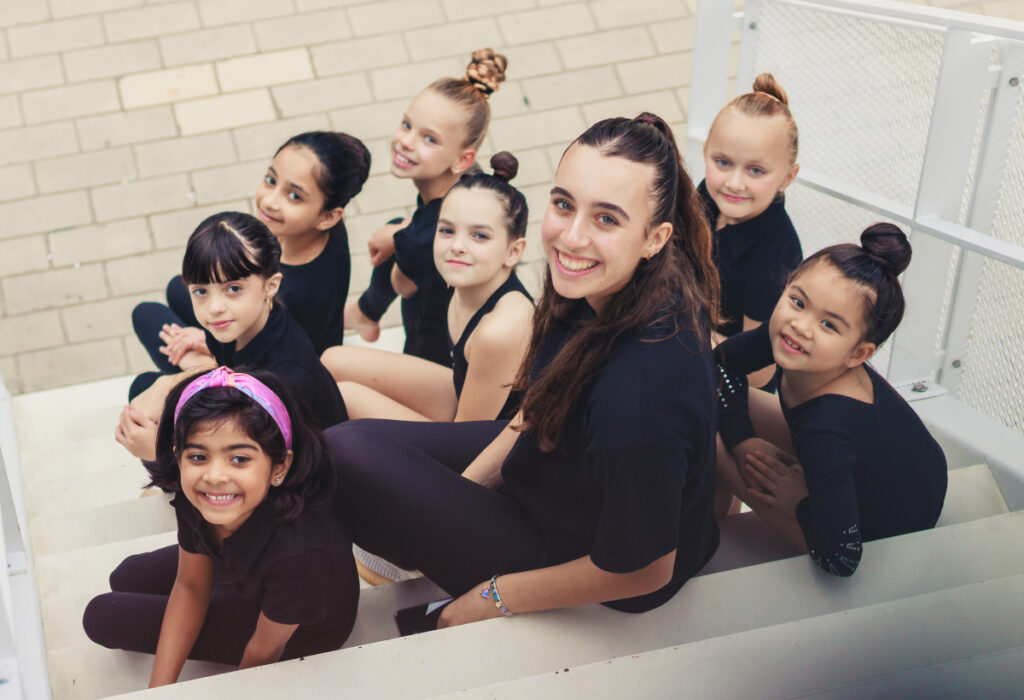
    Effective young gymnast training requires patience, consistency, and proper guidance. Rhythmic gymnastics is a beautiful and expressive sport that combines flexibility, strength, and artistry. Many young gymnasts dream of improving quickly and reaching a higher level, but progress does not happen by chance. It requires consistency, the right mindset, and smart training habits.

    As a coach, I have seen that the gymnasts who improve the fastest are not always the most talented but the ones who are focused, disciplined, and willing to learn. In this article, you will find simple and effective tips that can help young gymnasts develop faster and enjoy the process of becoming better.

    Young gymnasts’ training should focus on consistency, proper technique, and long-term improvement. One of the most important factors in improving is consistency. It is not about being perfect, but about showing up regularly and doing your best each time. When gymnasts attend training sessions consistently and stay focused, they begin to feel more confident and comfortable with their skills.

    It is also important to remember that progress takes time. Listening to the coach, trying again after mistakes, and practicing with care all help young gymnasts grow step by step. Short and focused training sessions are often more effective than long ones without attention.

    Even small improvements each day can lead to big results over time. With patience, encouragement, and a positive attitude, gymnasts can enjoy the process of learning while steadily becoming stronger and more confident.

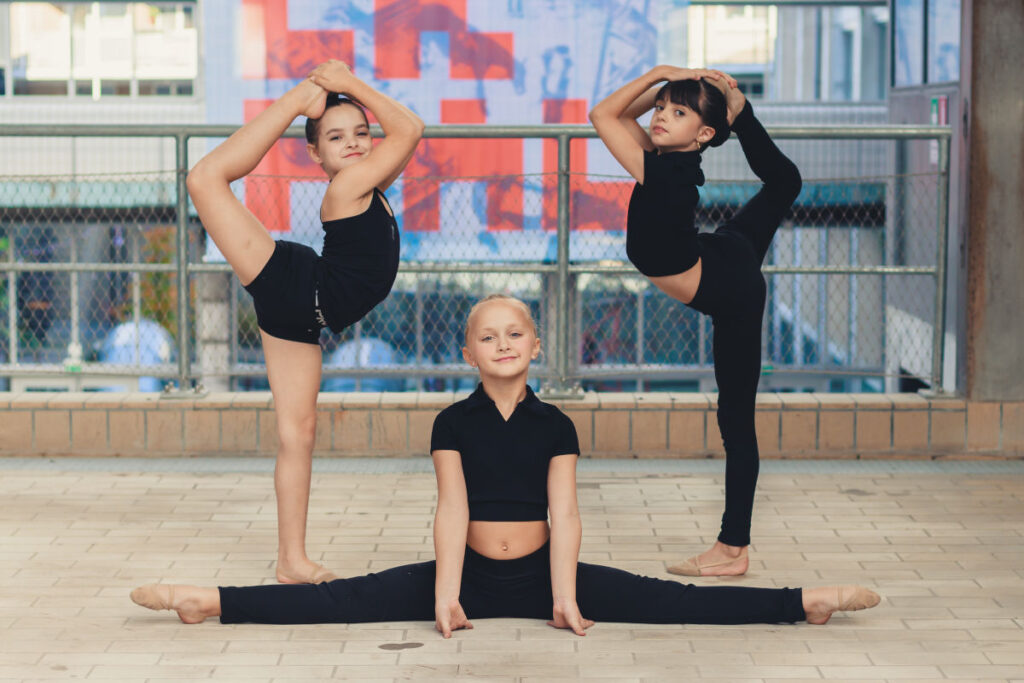
    In rhythmic gymnastics, strong basics are the foundation of everything. Flexibility, balance, posture, and basic apparatus handling must be developed early. Many young gymnasts want to learn difficult skills too quickly, but without strong basics, these skills will not look clean or controlled.

    Spending time on simple exercises such as splits, pivots, and body alignment will help gymnasts improve faster in the long term. A clean and correct basic technique always stands out more than difficult skills performed poorly. Coaches often say that basics are the key to success, and this is very true in rhythmic gymnastics.

    Improvement in rhythmic gymnastics does not come from gymnastics training alone. Ballet, fitness, and dance all play an important role in a gymnast’s development. Ballet helps improve posture, elegance, balance, and body control, which are key elements in every routine. It also teaches discipline and helps gymnasts move with precision and confidence.

    Fitness training supports strength, endurance, and injury prevention. A strong and well-prepared body allows gymnasts to perform skills more safely and with better control. It also helps them maintain energy throughout training and routines. Dance, on the other hand, helps gymnasts connect with music, express emotions, and develop their own style. It brings personality and artistry to each performance.

    When these areas are combined with regular gymnastics training, gymnasts grow not only stronger but also more confident, expressive, and complete athletes.
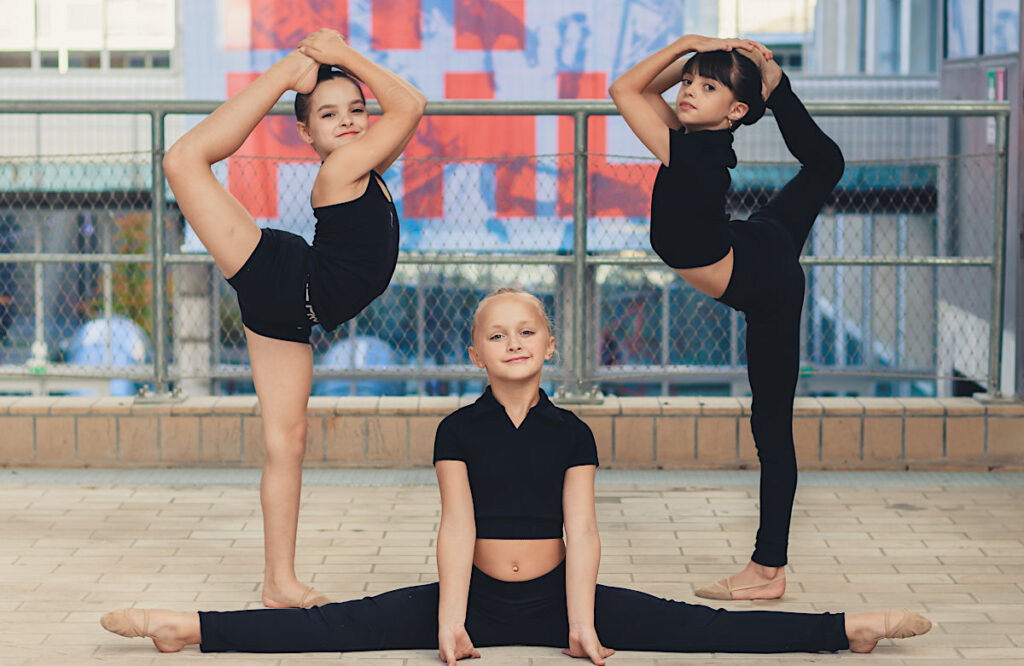
    Improvement is not only physical but also mental. Young gymnasts need to believe in themselves and stay positive, even when things feel challenging. Progress is not always fast, and some days may feel harder than others, but every effort counts. Mistakes are a natural part of learning, and each mistake is an opportunity to improve.

    Encouragement from coaches and parents plays an important role in building confidence. When gymnasts feel supported and understood, they are more willing to try new skills and push themselves further. It is important to celebrate small achievements and recognize progress, no matter how big or small.

    Most importantly, gymnasts should enjoy the sport. When they feel happy and motivated, they are more likely to stay consistent and continue improving. A confident and positive gymnast will always develop more naturally and perform with greater freedom and expression.
    pastorelli apparatus amazon

  • 5 Rhythmic Gymnastics Benefits for Young Girls | Olympia RG

    5 Rhythmic Gymnastics Benefits for Young Girls | Olympia RG

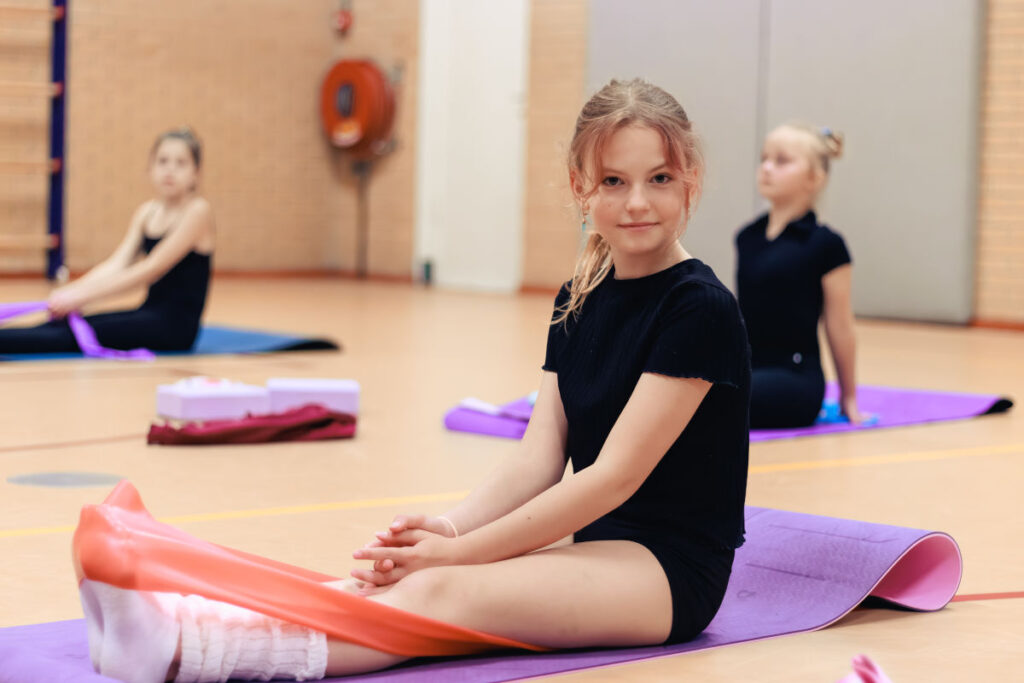
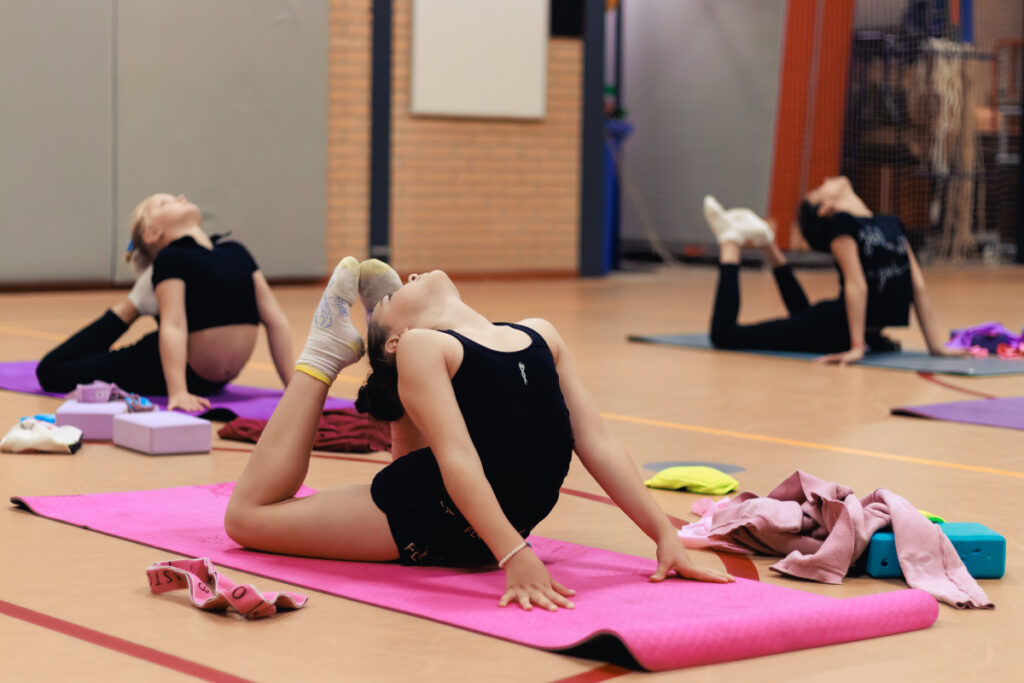
    One of the first benefits parents often notice in rhythmic gymnastics is improved flexibility. During each training session, gymnasts spend time on guided stretching exercises that are done safely and gradually. Over time, this helps the body become more flexible, which makes movements easier to perform and reduces the risk of injuries.

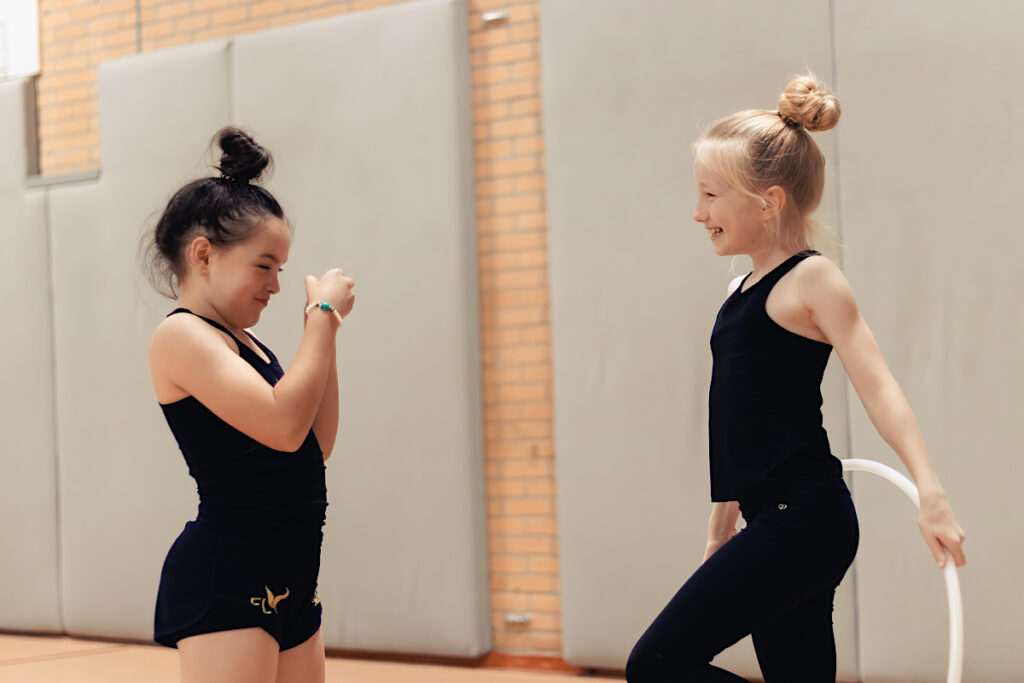
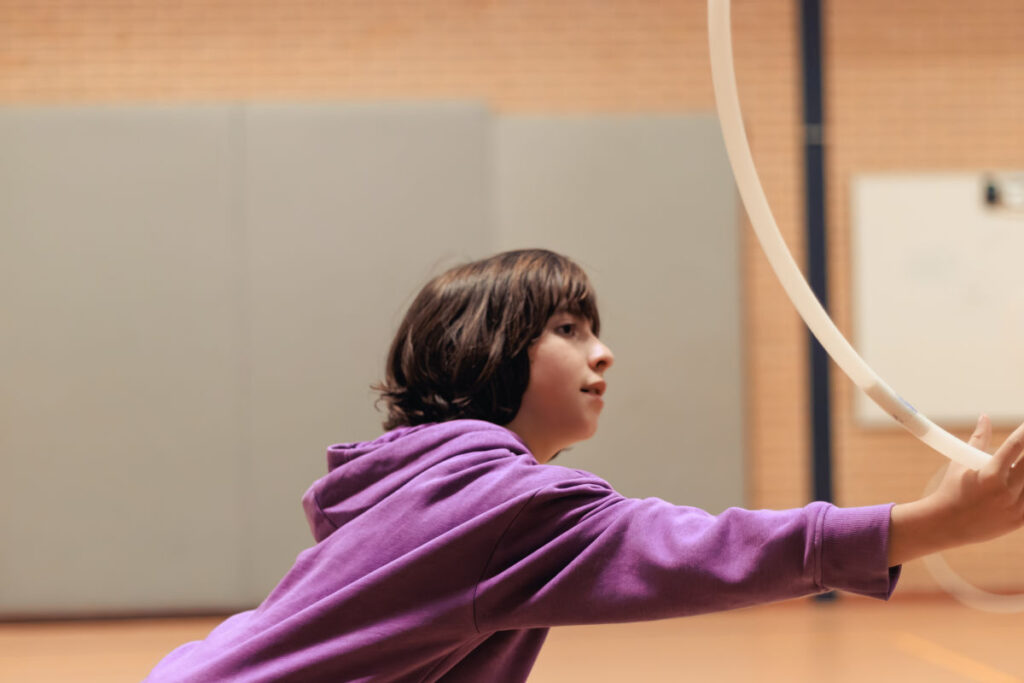
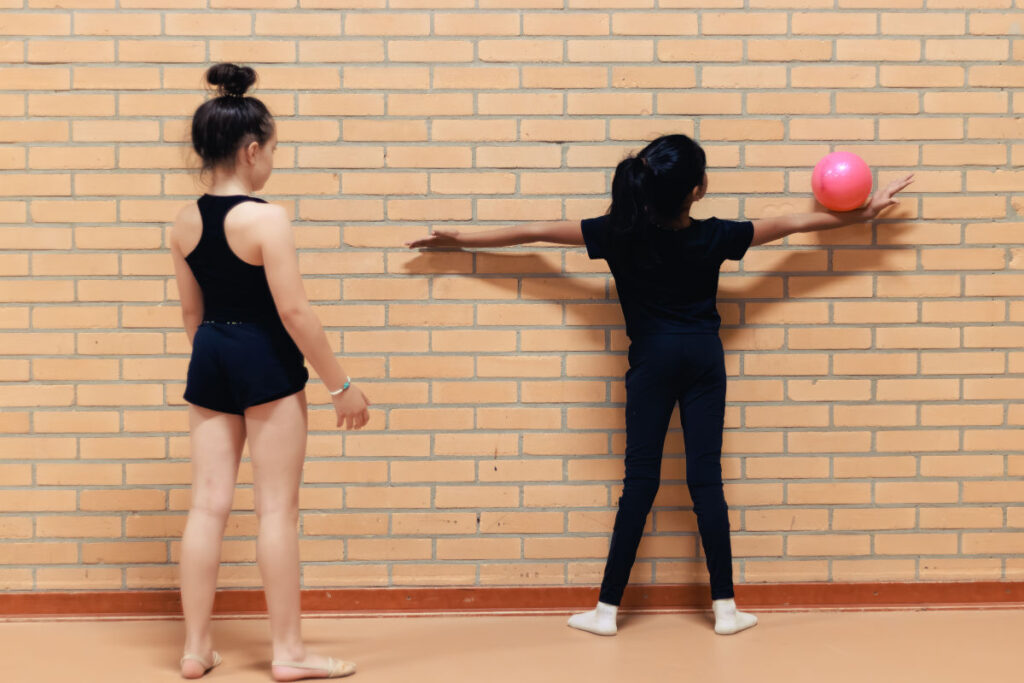
    At the same time, rhythmic gymnastics strongly develops coordination. Children learn how to control their bodies while working with different apparatus such as the ribbon, hoop, ball, and clubs. This requires focus, timing, and control, as they must move their body and the apparatus together in a smooth and connected way.

    These skills are not only important in gymnastics but also support everyday activities. Better coordination can help children with posture, balance, and overall body awareness, making them more confident in how they move both inside and outside the gym.

    rhythmic gymnastics benefits

    Rhythmic gymnastics benefits young girls strength and overall physical fitness in a balanced and healthy way. During training, gymnasts perform exercises that strengthen their core, legs, and arms. This strength is important for supporting the body during movements such as jumps, balances, and turns.

    Unlike some sports that focus only on one aspect of fitness, rhythmic gymnastics develops both strength and flexibility together. This combination helps the body move more efficiently and reduces the risk of injuries. These rhythmic gymnastics benefits also support better posture and control, which are important both in gymnastics and in daily life.

    For parents, this means that their child is not only becoming more active but also building a strong and healthy foundation for future physical development.

    Rhythmic gymnastics also helps children develop discipline and a sense of responsibility from a young age. In training, gymnasts learn to listen carefully, follow instructions, and stay focused on their tasks. Progress does not happen immediately, so they begin to understand that improvement comes with patience, effort, and consistency.

    Over time, gymnasts also learn to take responsibility for their own development. They remember their routines, take care of their equipment, and prepare themselves for training and performances. These small habits help them become more organized and independent.

    For parents, this means that their child is not only learning physical skills but also developing important life skills that will support them in school and in everyday situations.

    You can read more about our training approach on our About page.

    Rhythmic gymnastics is not only about individual progress but also about being part of a supportive and positive group. During training, gymnasts spend time together, learn from one another, and share their experiences. This helps them build friendships and feel a sense of belonging within the team.

    A positive training environment encourages children to support each other, celebrate achievements, and stay motivated. They learn how to communicate, respect others, and work together, even while focusing on their own development.

    For parents, this means their child is growing in a healthy social environment where they feel encouraged, included, and inspired to continue improving.

    rhythmic gymnastics benefits

    If you would like your child to experience these rhythmic gymnastics benefits and develop their skills in a supportive and professional environment, we invite you to join our team and start training with us. Book your free trial now!

    After training, it’s always nice to relax and enjoy something tasty. You can check out Dough & Co for great food options.

  • At What Age Should a Child Start Rhythmic Gymnastics?

    At What Age Should a Child Start Rhythmic Gymnastics?

    When to start rhythmic gymnastics is a common question for parents who want the best beginning for their child. Starting a new activity for your child can raise many questions, especially when it comes to choosing the right age. In rhythmic gymnastics, there is no single “perfect” starting point. Every child develops at their own pace, both physically and emotionally.

    What matters most is not starting early, but starting at the right moment for your child. With the right environment and support, rhythmic gymnastics can be a beautiful and positive experience from the very beginning.

    when to start rhythmic gymnastics

    Many children begin rhythmic gymnastics between the ages of 4 and 6. At this stage, they are naturally active, curious, and open to learning new movements. Training at this age focuses on basic skills such as coordination, balance, and simple flexibility exercises.

    However, starting later does not mean a child is behind. Older beginners can still progress very well, especially when they are motivated and enjoy the sport. What truly matters is the child’s interest and willingness to participate.

    Many parents ask when to start rhythmic gymnastics to ensure their child develops skills at the right pace. Instead of focusing only on age, it is important to look at your child’s readiness. A child who enjoys movement, listens to simple instructions, and feels comfortable in a group setting is usually ready to start.

    Confidence also plays a role. Some children need more time to feel comfortable away from their parents, while others adapt quickly. A supportive and positive training environment helps every child settle in at their own pace.


    In the early stages, rhythmic gymnastics is not about complex routines or competition. Children learn how to move their bodies, improve posture, and develop basic coordination.

    They are introduced to the apparatus in a simple and playful way, allowing them to explore movement while building confidence. This foundation is very important, as it prepares them for more advanced skills in the future.

    when to start rhythmic gymnastics

    Rhythmic gymnastics requires effort and dedication, but children should still have time for school, rest, and other activities. A balanced routine helps prevent fatigue and keeps the experience enjoyable.

    When training is combined with enough rest and free time, children stay more focused and motivated during practice.

    A strong connection between parents and coaches plays an important role in a child’s journey. Coaches guide the training process, while parents provide support and encouragement at home.

    Open and respectful communication helps everyone understand the child’s needs, progress, and feelings. When parents and coaches work together, the child feels supported from all sides, which builds confidence and makes the experience more positive.

    You can also explore our training approach about us

  • Starting Rhythmic Gymnastics for Kids | What Parents Should Know

    Progress in Rhythmic Gymnastics for Kids Happens Step by Step

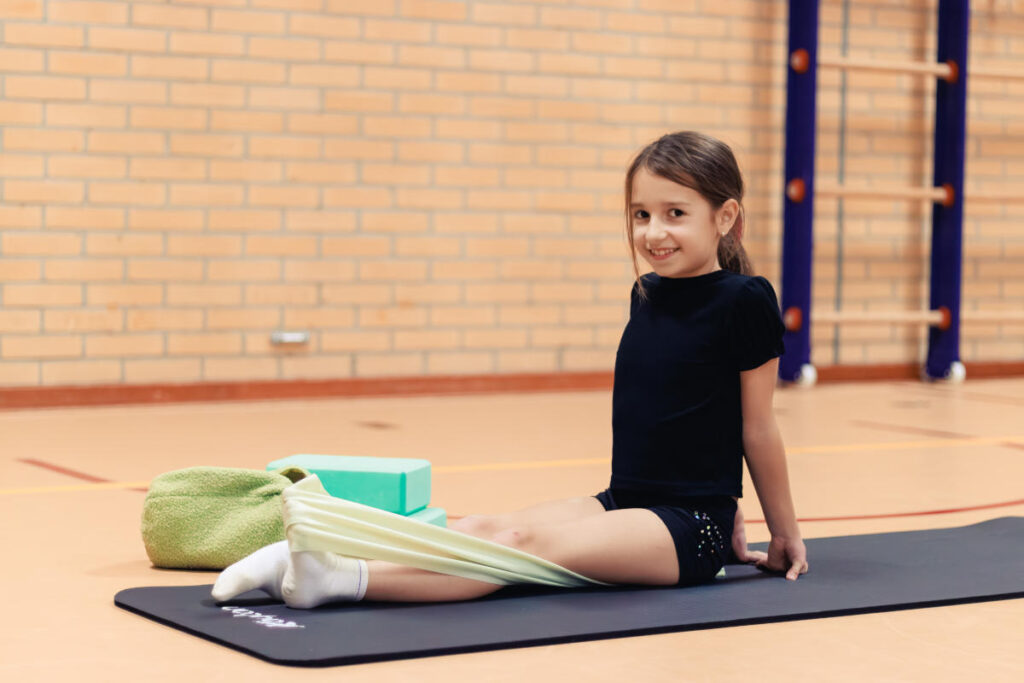
    rhythmic gymnastics for kids training
    rhythmic gymnastics for kids training

    Starting rhythmic gymnastics for kids can feel exciting but also unfamiliar for both children and parents. Rhythmic gymnastics is a sport that combines movement, music, and creativity, and it often looks very different from more traditional sports. Before beginning, it helps to understand what the journey may look like and how to best support your child along the way.

    With the right expectations and a positive approach, this experience can become both enjoyable and meaningful for young gymnasts.

    Improvement in rhythmic gymnastics does not happen overnight. Many elements require flexibility, control, and coordination, which develop gradually through regular practice. It is completely normal for children to take time to feel comfortable with new movements.

    Rather than focusing on quick results, it is more helpful to notice small improvements along the way. Recognizing effort instead of perfection allows children to stay motivated and feel proud of their progress.

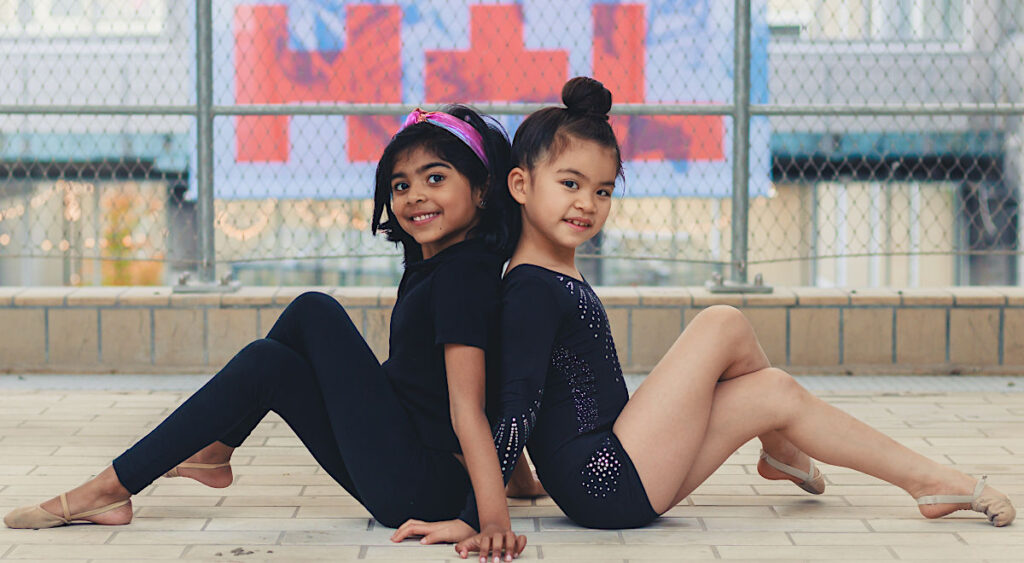
    young girls practicing rhythmic gymnastics

    Attending training sessions consistently plays a big role in development. Children who show up regularly and stay engaged tend to feel more secure in what they are learning. Over time, repetition helps movements become more natural and controlled.

    Confidence grows when children feel familiar with their skills. This sense of comfort allows them to perform with more ease and enjoyment.

    The way parents support their child can strongly influence how they experience the sport. Encouragement, patience, and understanding help create a positive atmosphere. Children benefit most when they feel supported, rather than pressured to achieve results.

    Simple actions such as listening, celebrating small successes, and staying positive during challenges can make a meaningful difference in how a child feels during training.

    It is important to maintain a balance between training, school, rest, and free time. While rhythmic gymnastics requires effort and dedication, children should also have time to relax and enjoy other activities.

    A balanced routine helps prevent tiredness and keeps the experience enjoyable. When children feel comfortable and not overwhelmed, they are more likely to stay motivated.

    beginner rhythmic gymnastics class for children

    A strong and open relationship between parents and coaches plays an important role in a child’s development in rhythmic gymnastics. Coaches see how the child performs during training, while parents see how the child feels and behaves outside the gym. When both sides share their observations, it creates a better understanding of the child’s needs and progress.

    Coaches can guide parents on what the child is working on, what to expect in the next stages, and how to support training at home in a simple and safe way. This helps avoid confusion and ensures that the child receives consistent support both during and outside of training.

    Clear and respectful communication also builds trust. When parents and coaches communicate openly, it creates a positive environment where the child feels supported from all sides. This teamwork helps the child feel more confident, motivated, and comfortable in their development.

    You can learn more about our training approach on our About page.

    If your daughter is interested in watching rhythmic gymnastics or getting her own apparatus, you can find more information through this link. Patorelli Equipments

    After training, it’s always nice to relax and enjoy something tasty. You can check out Dough & Co for great food options.


  • The Story Behind Olympia RG: Building Confidence Through Sport

    The Story Behind Olympia RG: Key Values That Build Confidence Through Sport

    Olympia RG story rhythmic gymnastics training

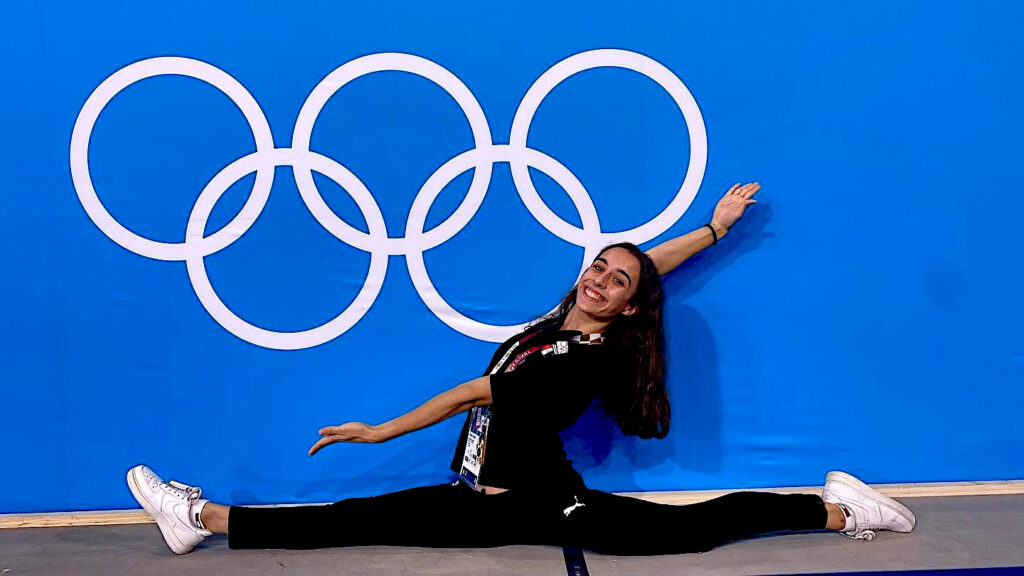
    The Olympia RG story is built on a strong vision for developing young gymnasts, founded by Polina Fouda, whose dedication to rhythmic gymnastics has been shaped by many years of experience in the sport. As an athlete who trained and competed at a high level, including participation in the Olympic Games Tokyo 2020, she developed a deep understanding of what young gymnasts truly need to grow and succeed.

    The name Olympia RG itself is inspired by this journey. It reflects not only the Olympic experience but also the values behind it: dedication, discipline, and the belief that every gymnast has the potential to achieve something meaningful.

    For Polina, it was never only about technique or results. It was about creating the right environment. A place where children feel comfortable, motivated, and encouraged to keep improving at their own pace. This vision became the foundation of Olympia RG.

    At Olympia RG, training is about much more than learning routines and techniques. From the very beginning, the focus is on helping each child grow both as a gymnast and as a person.

    Through structured and supportive training sessions, gymnasts develop important qualities such as discipline, focus, and perseverance. They learn how to listen, how to work step by step, and how to stay patient when something feels challenging.

    At the same time, rhythmic gymnastics allows children to express themselves. Each movement, each routine, and each performance gives them the opportunity to show their personality and creativity.

    The goal is to create a positive experience where children not only improve their skills but also enjoy the process and feel proud of their progress.

    Confidence is not something children gain instantly. It develops gradually, through small achievements, encouragement, and consistent practice.

    At Olympia RG, every gymnast is supported based on her individual level and personality. Some children feel confident quickly, while others need more time to adjust and believe in themselves. Both are guided with patience and understanding.

    Each new skill learned, no matter how small, helps build a sense of achievement. Over time, these moments add up and create a strong foundation of self-confidence.

    By focusing on progress rather than perfection, children begin to trust their abilities. This confidence is not only visible during training, but also in how they carry themselves outside the gym.

    A positive and supportive environment is at the heart of Olympia RG. Children learn best when they feel safe, understood, and encouraged.

    Coaches take the time to guide each gymnast with patience, making sure that every child feels seen and supported. Mistakes are treated as a natural part of learning, helping children feel comfortable trying new things without fear.

    At the same time, structure and discipline are introduced in a balanced way. This helps children stay focused while still enjoying their training.

    When children feel supported, they become more open to learning, more motivated to improve, and more confident in their abilities. This environment allows them to grow not only as gymnasts but also as individuals.

    Olympia RG story rhythmic gymnastics training

    Olympia RG continues to grow with the same vision it was built on: helping young gymnasts develop their skills while building confidence and enjoying the sport.

    Each child who joins becomes part of a journey that is focused on progress, support, and personal growth. Whether a gymnast trains for fun or aims for a higher level, every step forward is valued.

    Looking ahead, Olympia RG aims to keep creating a positive and inspiring environment where children feel motivated to learn, express themselves, and reach their own potential. The Olympia RG story continues to inspire young gymnasts to grow and develop their skills with confidence.

    Olympia RG story rhythmic gymnastics training

    You can learn more about our training approach on our About page.

    Rhythmic gymnastics is recognized worldwide and governed by the International Gymnastics Federation.

    Strength and endurance are also important in sports like Hyrox. You can learn more about this type of training at Roxlab.